Kenya and Switzerland have authorised the first Article 6.2 programme under their bilateral climate agreement to the Paris Agreement. Owned and implemented by Roam Electric, supported by First Climate and Article Six Group, the authorised activity enables the local manufacturing and deployment of 226,000 electric motorcycles that displace fossil-fuel boda-bodas, the motorcycles widely used across Kenya as taxis and for goods delivery. By making electric motorcycles more affordable for riders, the activity aims to accelerate Kenya’s transition to clean mobility, reduce greenhouse gas emissions, and deliver lasting air-quality benefits in urban and peri-urban areas while advancing several UN Sustainable Development Goals (SDGs) in Kenya. Through the purchase of the resulting Internationally Transferred Mitigation Outcomes (ITMOs), the KliK Foundation provides carbon finance that helps unlock the investment needed to scale up the activity and make it financially viable.
This first Kenya-Switzerland authorisation sets an important precedent for future authorisations in Kenya, confirming compliance with the requirements of the bilateral climate agreement and demonstrating the operational implementation. This establishes a clear framework for the transfer of all mitigation outcomes (MOs) generated by activities in Kenya. The KliK Foundation expects the transfer of around 5 million ITMOs from its Kenya portfolio until 2030.
"We are delighted to mark this first authorisation between Kenya and Switzerland under our bilateral cooperation pursuant to the Paris Agreement. It is an important milestone in our partnership and demonstrates how international cooperation under Article 6.2 can translate into tangible climate action. The implementation of ‘E-Mobility Solutions in Kenya’ will reduce emissions while delivering wider benefits for our people, our economy and our transition to clean mobility"
Transport is Kenya’s largest source of energy-related emissions. A key driver is the rapidly growing fleet of fossil-fuel motorcycles, which lack emission controls and contribute significantly to both climate pollution and dirty urban air. Kenya has identified electric mobility as a national priority, yet adoption remains extremely low because of high upfront costs and limited charging infrastructure.
Carbon finance closes that gap. ITMO revenue lowers the purchase price of electric motorcycles and funds local assembly, charging infrastructure as well as battery recycling.
For riders, the switch means a lower purchase price, lower daily costs, predictable energy bills and a more stable income. For Kenya, it means new jobs in manufacturing, charging, maintenance and fleet technology, and cleaner air, as electric motorcycles produce zero tailpipe emissions. The activity supports the SDGs on clean energy, decent work, sustainable cities and climate action.
‘E-Mobility Solutions in Kenya’ is aligned with the country’s climate and sustainable-transport priorities. It is additional to Kenya’s NDC and meets the applicable eligibility requirements under the Kenyan carbon-market framework as well as the Swiss CO₂ legislation.
Full documentation of the activity will be available on the website of the Swiss Federal Office for the Environment FOEN (Registered compensation projects abroad).
"This is a groundbreaking deal, the first of its kind in East Africa to use carbon finance to put electric motorcycles on the road. It makes it easier for motorcycle riders to go electric, with a lower price, lower daily costs and a more stable income. Our motorcycles are manufactured locally in Kenya and designed for the way riders here work, and every kilometre ridden is measured, so the climate impact is real and verifiable."
"Achieving the first authorisation of an Article 6.2 activity in Kenya represents an important milestone and sends a strong signal to stakeholders in the carbon markets in Kenya. It establishes Kenya at the forefront of Article 6.2 implementation globally. We are truly grateful for the collaboration with the Governments of Kenya and Switzerland as well as the whole Roam team in achieving this milestone. We look forward to further authorisations in the near future and to delivering positive impact to the communities and individuals involved in the activities."
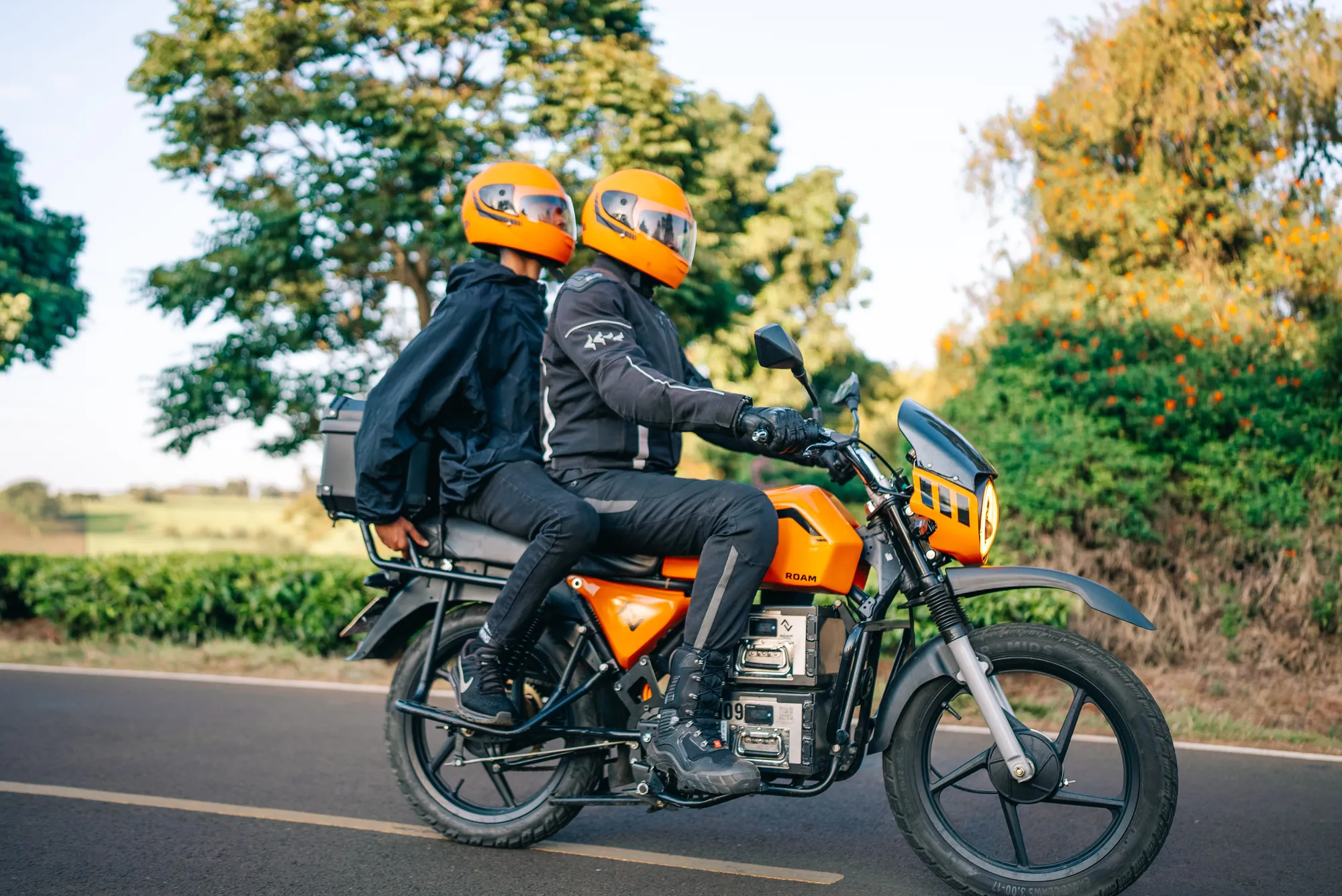
Roam is an African-based electric mobility company developing tailored transport solutions for the African market. In 2025, Roam was named Kenya’s fastest-growing company by the Financial Times. Recognised globally as a finalist for the Earthshot Prize, Roam is leading a local shift toward cleaner, more efficient mobility that's locally manufactured. Its innovations, including a 6,000-kilometer solar-powered journey from Nairobi to Cape Town on the Roam Air electric motorcycle, continue to demonstrate the durability and practicality of electric transport on the continent.