Taking Stock
KliK Foundation | In future, the KliK Foundation intends to take stock of completed funding programmes. The first such report is the evaluation of the ‘Climate-Friendly Cooling’ programme, which, from 2015 to 2025, was the only funding programme for stationary cooling in Switzerland to support the transition to climate-friendly refrigerants and cooling systems. The report highlights the programme’s impact and costs, as well as the market transformation it has brought about and the limitations of the funding.
Only proven impacts count towards the compensation obligation. Every emission reduction must be additional; it is measured using a defined method, verified by an independent body and only then certified by the Federal Office for the Environment. “Funding programmes are most effective as a complementary element of an overall regulatory framework, not as a substitute for it,” is the report’s key message.
Whilst Switzerland is taking stock, the momentum in partner countries continues: Senegal has become the latest partner country to authorise its first climate protection activity in collaboration with Switzerland. In Zambia and Malawi, further authorisations followed under the respective bilateral climate agreements with Switzerland. In addition, ITMOs were once again issued in connection with the Bangkok e-bus programme.
Focus on international activities
A first in Senegal: e-taxis for Dakar
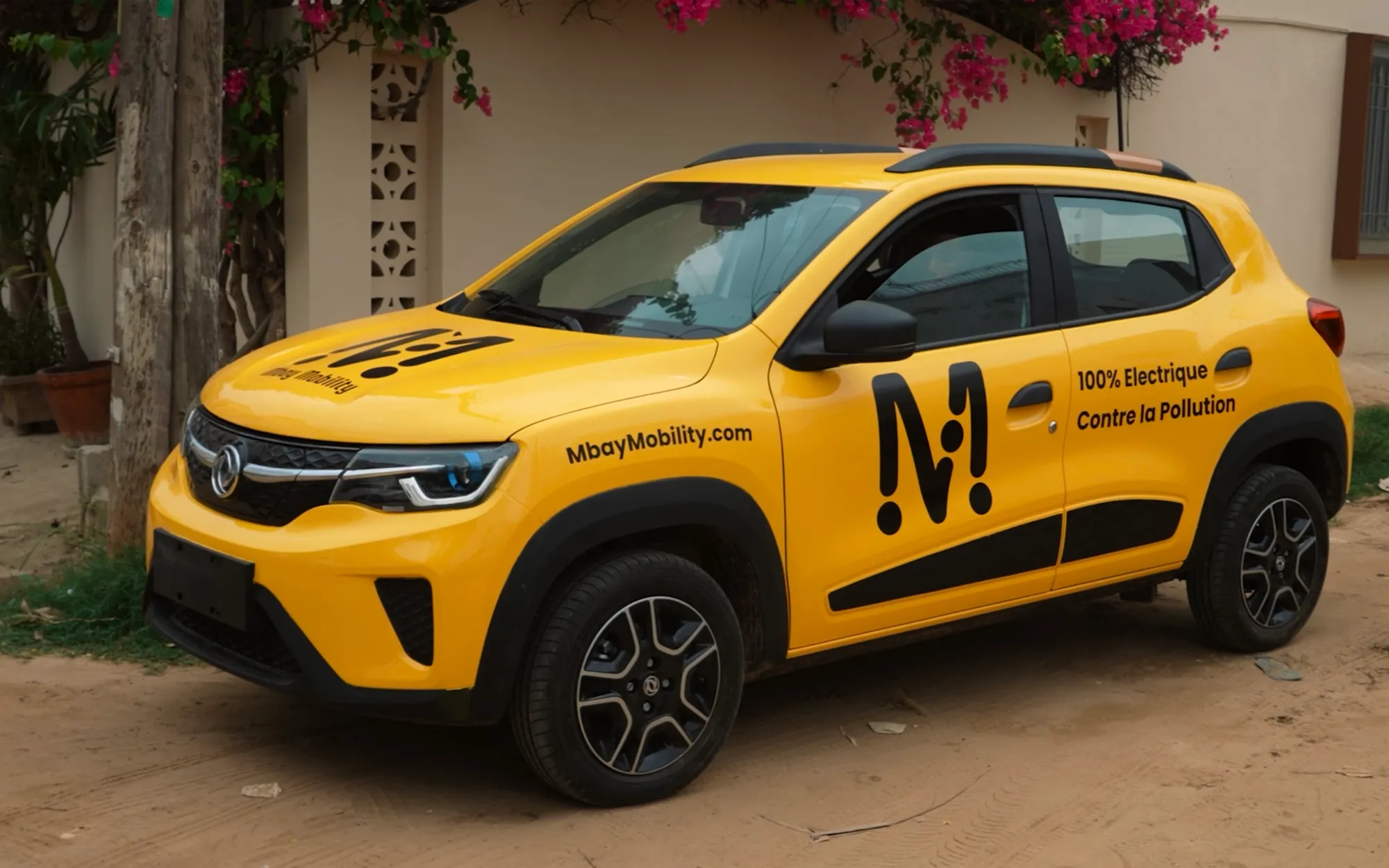
Dakar | On 25 September, Senegal and Switzerland authorised their first joint climate action under Article 6.2 of the Paris Agreement. The “Senegal Mass Car Electrification Programme” is gradually replacing Dakar’s ageing taxi fleet with electric vehicles. The approximately 25,000 taxis in the metropolitan area are on average 23 years old, resulting in correspondingly high fuel consumption and pollutant emissions. The initiative was developed by Motion Energy Group and is being implemented by Mbay Mobility; a financing solution makes it easier for drivers to acquire their own electric vehicle. The KliK Foundation purchases the resulting ITMOs, thereby ensuring the initiative’s financial viability.
Zambia: Pellet stoves instead of charcoal
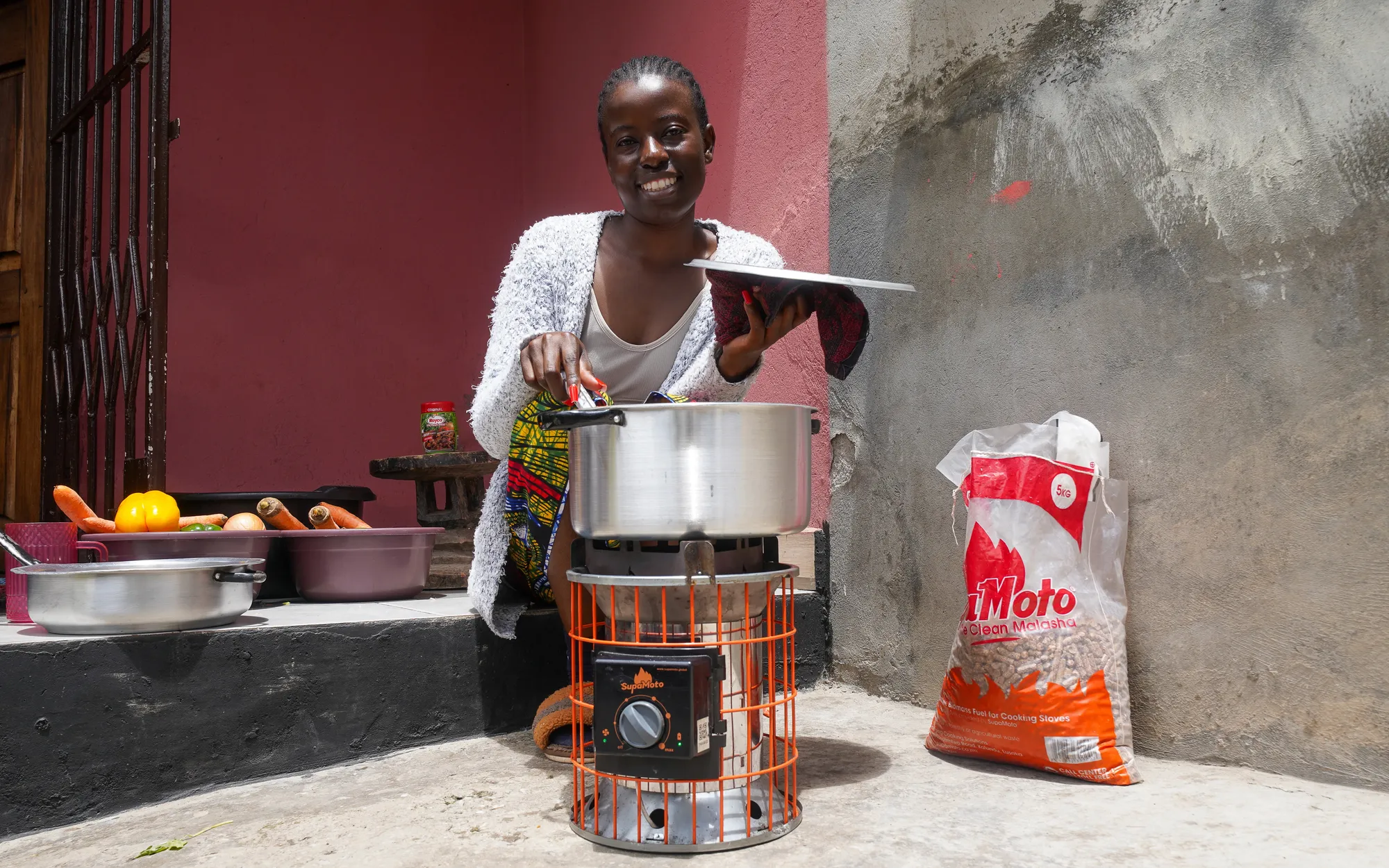
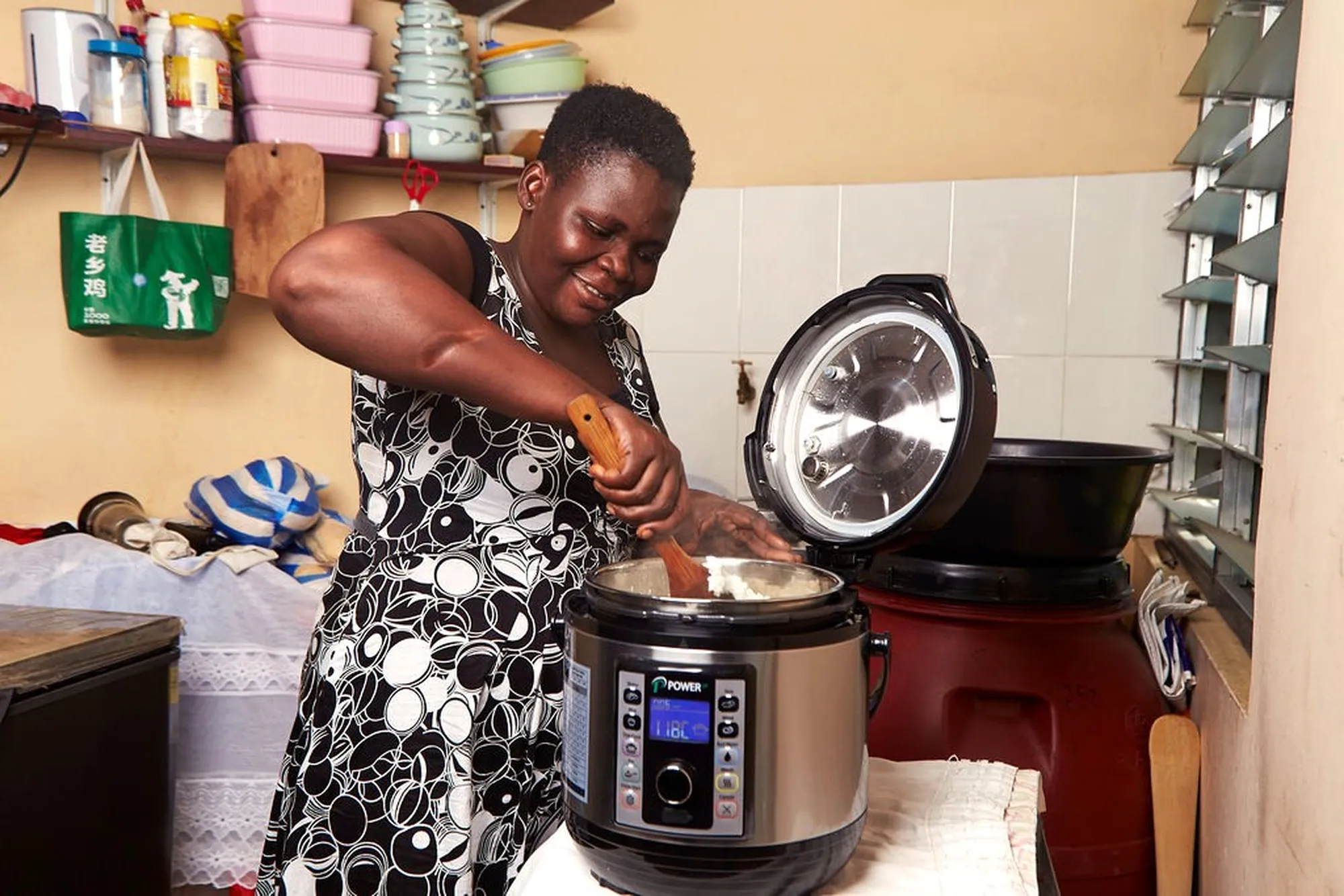
At the end of August, Zambia and Switzerland authorised the second project under their bilateral climate agreement: ‘Modern Energy Cooking Zambia’ by Emerging Cooking Solutions (SupaMoto). Over 80 per cent of urban households in Zambia cook with charcoal – with serious consequences for the country’s forests and household health. The project will provide around 200,000 modern pellet cookers to urban households, with the pellets produced domestically from sawmill waste. This will halve households’ fuel costs.
Electric cooking is gaining momentum in Malawi
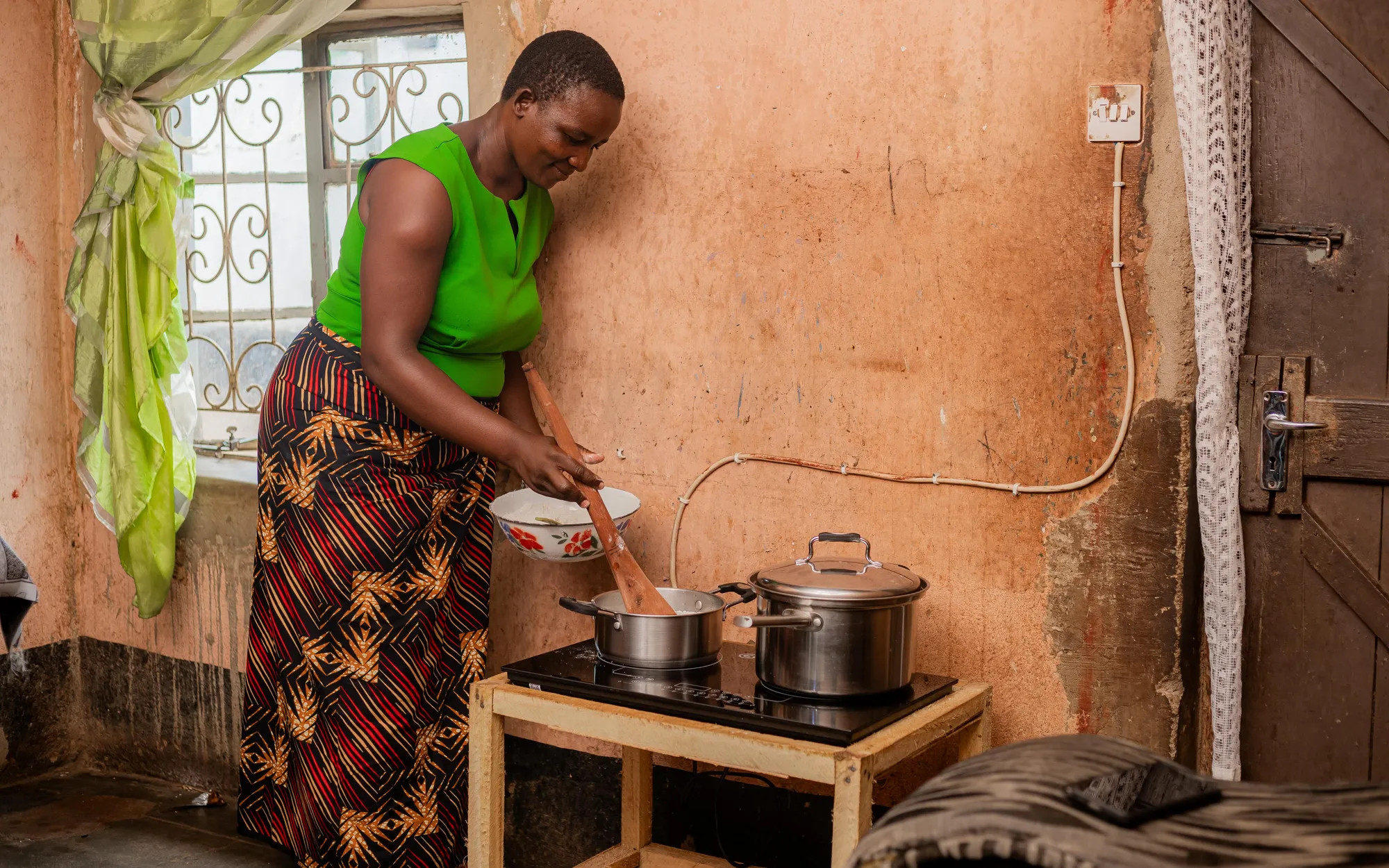
ATEC Global’s climate protection project ‘Electric Cooking in Malawi’ has just been authorised by Switzerland and Malawi. The project supports the transition to electric cooking through the distribution of 76,000 IoT-enabled smart induction hobs to grid-connected households in the Lilongwe and Blantyre districts. At present, these households still predominantly use charcoal as their main fuel for cooking.
Bangkok continues to deliver: 57,327 new ITMOs
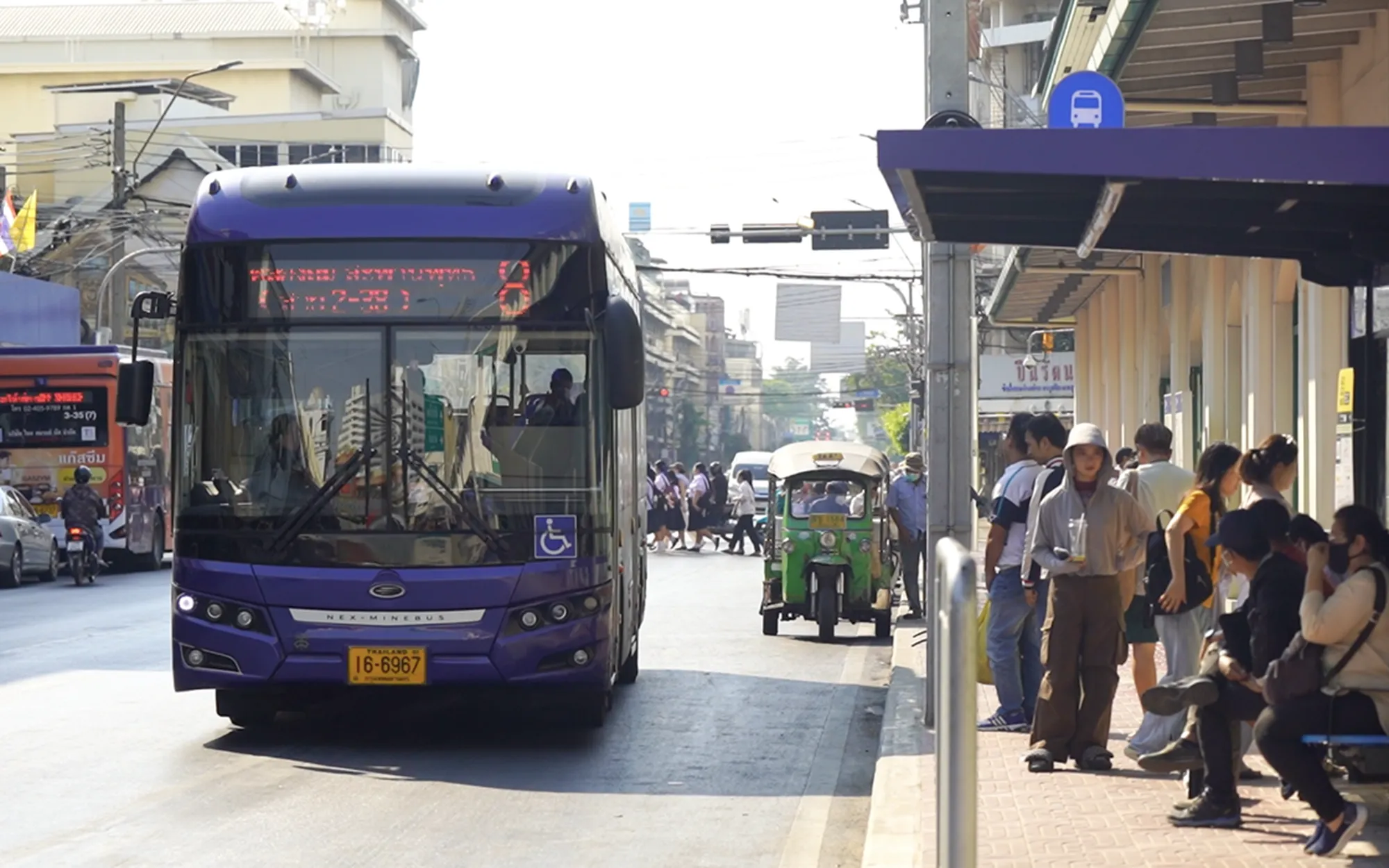
In early September, Thailand and Switzerland completed the issuance of 57,327 ITMOs from the Bangkok e-bus programme for the year 2025. Since its inception, the initiative has thus generated 108,960 ITMOs. The underlying monitoring report has been verified by an independent auditor; 2 per cent of the issued ITMOs will be cancelled as a contribution to global emissions reduction.
Progress in Malawi towards the first ITMOs
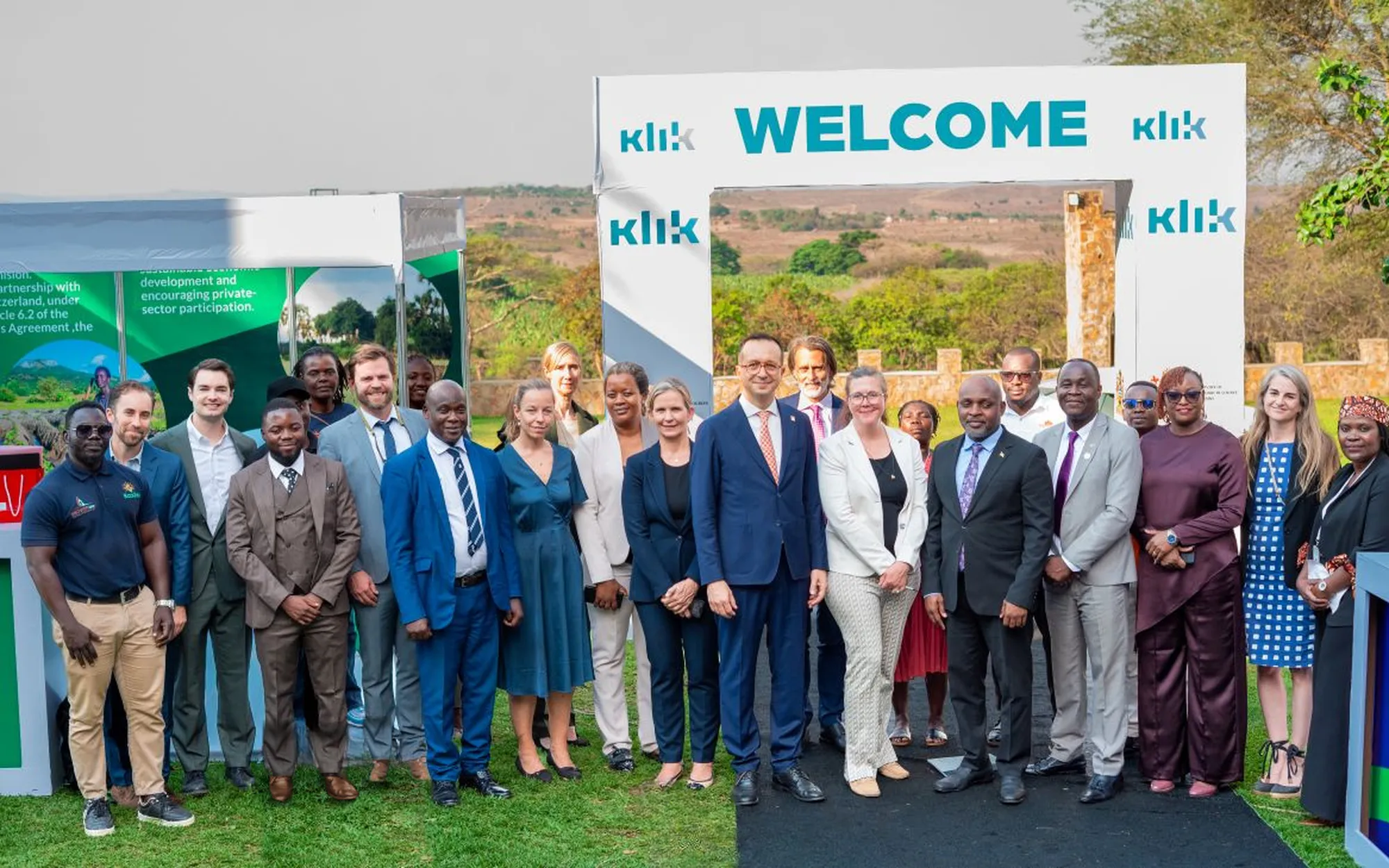
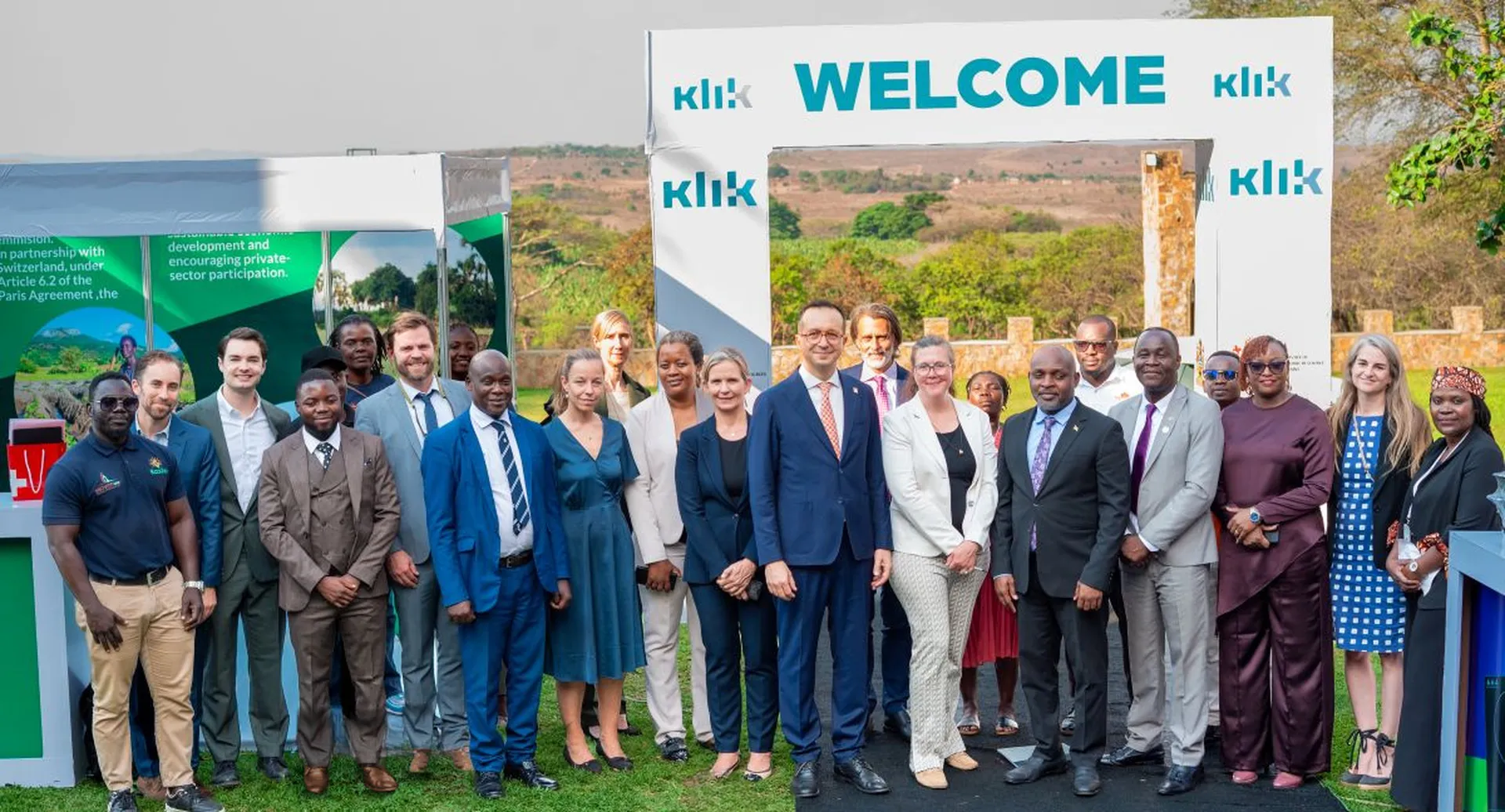
Lilongwe | On 8 October, an event was held to mark the official launch of the implementation of cooperative climate protection measures in Malawi. The event was hosted by the Malawian Ministry of Natural Resources, the Swiss Embassy in Zimbabwe, Zambia and Malawi, and the KliK Foundation. The event highlighted the significant progress made since the signing of the bilateral climate agreement between Switzerland and Malawi in 2022. The next key milestone will be the first transfer of climate protection credits and the issuance of ITMOs in the Swiss Emissions Trading Register.
Climate-friendly cooling: the results in figures
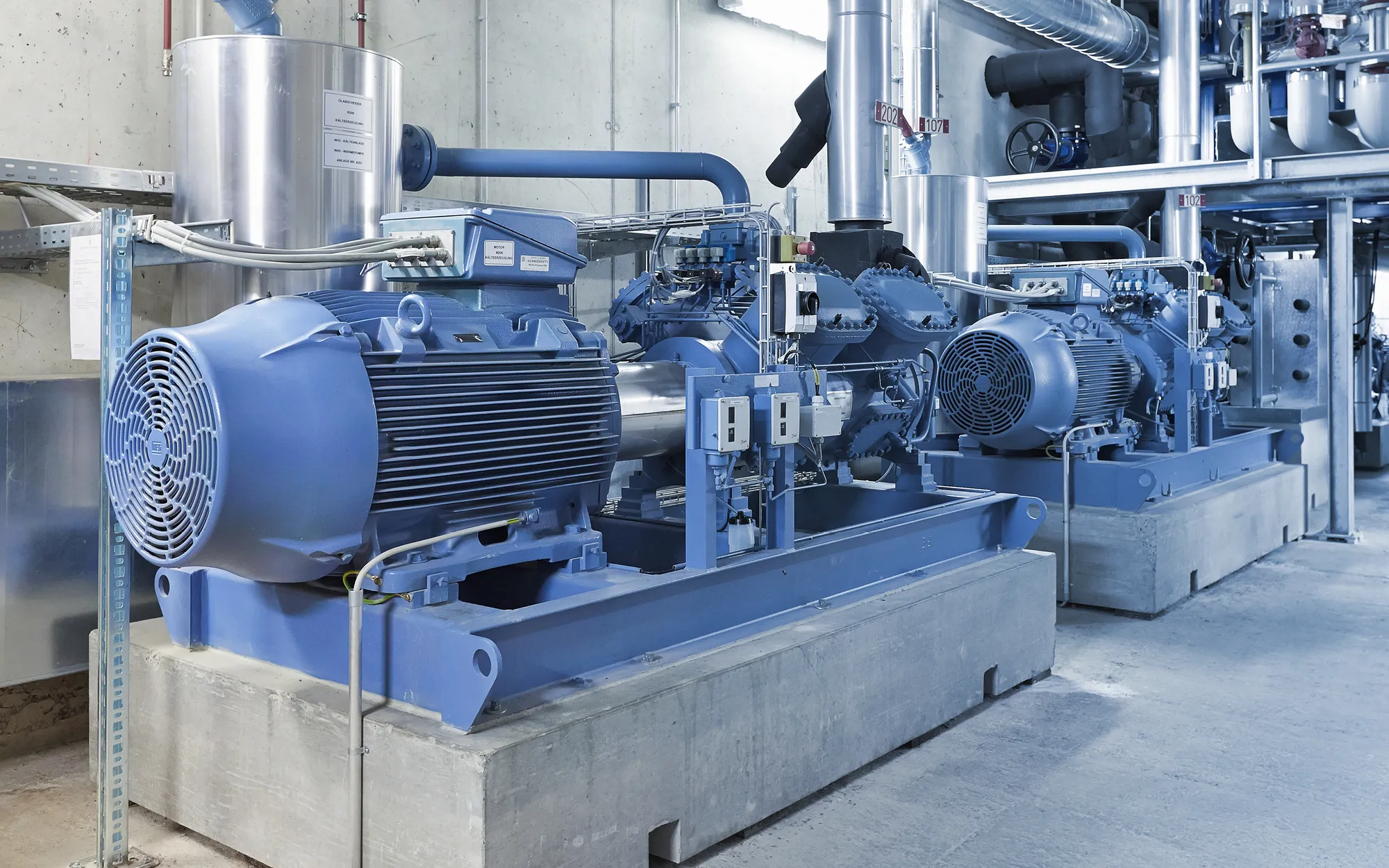
The KliK Foundation has taken stock of its “Climate-friendly Cooling” funding programme. Between 2015 and 2025, it supported 1,797 projects and, by 2030, it will achieve emission reductions of around 307,600 tonnes of CO₂e, at a cost of 174 Swiss francs per tonne. Only those reductions that have been verified, independently audited and certified by the Federal Office for the Environment count towards the compensation obligation; as required by the high standards of the CO₂ Act and the associated ordinance. The report shows that the programme has accelerated the switch to natural refrigerants and identifies the limits of the funding. It is the first in a series of review reports on programmes for which the application deadline has expired.
The current CO₂ Act regulates the obligation to offset emissions until 2030, and from 2030 onwards there will be a ban on refilling systems with refrigerants having a global warming potential of 2,500 or more. The subsidised systems will continue to operate, and their emission reductions will be certified until 2030.
The progress report, summary and executive summary are available as PDF files: